
Choosing a plastic bag: sustainable, smart, and stylish packaging
TL;DR:
- Plastic bags are being reduced due to environmental concerns and regulations.
- Sustainable alternatives such as recycled plastic, cotton, and bagasse are gaining popularity.
- Smart combination of different packaging materials offers the best environmental benefits and customer satisfaction.
Plastic bags have been at the center of public debate for years. Environmental requirements, European legislation, and changing consumer demands are putting pressure on retailers and individuals. Yet, the plastic bag remains popular, and not without reason. It is cheap, strong, and transparent. But the rules of the game are changing rapidly. Modern alternatives and new regulations offer opportunities that many retailers have not yet fully exploited. This article provides a clear, practical overview of what's happening with plastic bags: what rules apply, which alternatives truly work, and how you as a retailer or individual can pack smartly and stylishly without falling into pitfalls.
Table of Contents
- What is a plastic bag and why is it so controversial?
- What does environmental data say about plastic bags?
- Sustainable alternatives to the plastic bag
- Where to buy plastic bags and alternatives?
- Our vision: the real gain lies in smart combinations
- Complete your gift packaging
- Frequently asked questions
Key Insights
| Point | Details |
|---|---|
| Regulations are changing the playing field | The SUP directive and PPWR enforce strict requirements that compel plastic bags to innovate. |
| Alternatives are widely available | Recycled plastics, cotton, and bagasse offer sustainable and practical options for retailers and individuals. |
| Smart combinations pay off | The power lies in the right mix of materials and presentation, tailored to the purpose and customer experience. |
| Noticeable impact on waste | The ban on plastic bags results in a significant reduction of litter in the Netherlands. |
What is a plastic bag and why is it so controversial?
A plastic bag is a bag made of plastic, usually polyethylene (PE). You find them everywhere: in supermarkets, clothing stores, for gift packaging, and with online orders. They are lightweight, waterproof, and cheap to produce. This makes them functionally attractive for both retailers and consumers.
But these very properties also make them problematic. Plastic bags do not break down quickly in nature. Thin variants easily blow away and end up in canals, forests, and eventually in the ocean. Public pressure to stop this has increased significantly in recent years.
The EU has responded with concrete legislation. The SUP (Single Use Plastics) directive already bans a range of single-use plastics. The PPWR (Packaging and Packaging Waste Regulation) goes further, requiring packaging to contain a minimum percentage of recycled material from 2030. What does this mean for you as a retailer? Read more about the SUP directive and PPWR explanation to understand exactly what is expected of you.
Not all plastic bags are created equal. Thin plastic carrier bags under 15 microns are already banned in the Netherlands. Thicker, reusable plastic bags are still allowed, but they too are increasingly coming under pressure. The line between "allowed" and "banned" is shifting.
What are the pros and cons of plastic bags compared to alternatives?
- Advantages: Low weight, waterproof, transparent, cheap per piece, suitable for visible product presentation
- Disadvantages: Difficult to biodegrade, contribution to litter, increasing regulatory pressure, negative image among consumers
- Alternatives: Paper bags, cotton bags, bags made of bagasse or recycled plastic
For retailers who want to know how to combine efficient packaging with plastic bags with regulations, it is important to understand the different bag types. Now that we understand the basics and controversy, it's time to delve into the environmental impact.
What does environmental data say about plastic bags?
Numbers don't lie. And the data surrounding plastic bags is clear: bans and policy measures work, but targets are not always met.
The ban on plastic bags in stores leads to a 25-47% reduction in litter. That's a significant effect. For comparison: the deposit return system for plastic bottles and cans currently collects 78% of bottles and 82% of cans, while the legal target is 90%. So there is still room for improvement.
A striking innovation is bagasse, a material made from sugar cane residue. In practical cases, bagasse reduces residual waste by 42 to 72%. That is significantly more than most other alternatives.
| Measure | Effect on waste | Target met? |
|---|---|---|
| Ban on plastic bags | 25-47% less litter | Yes, in most EU countries |
| Bottle deposit | 78% collection | No (target: 90%) |
| Can deposit | 82% collection | No (target: 90%) |
| Use of bagasse | 42-72% less residual waste | Yes, in pilot cases |
Statistic to remember: A ban on plastic bags in stores reduces litter by an average of 36%, based on multiple European studies.
The comparison between plastic versus paper bags is more complex than it seems. Paper has a higher CO2 footprint during production, but breaks down faster. Plastic performs better in terms of weight and transport, but worse in terms of waste processing. There is no simple answer.
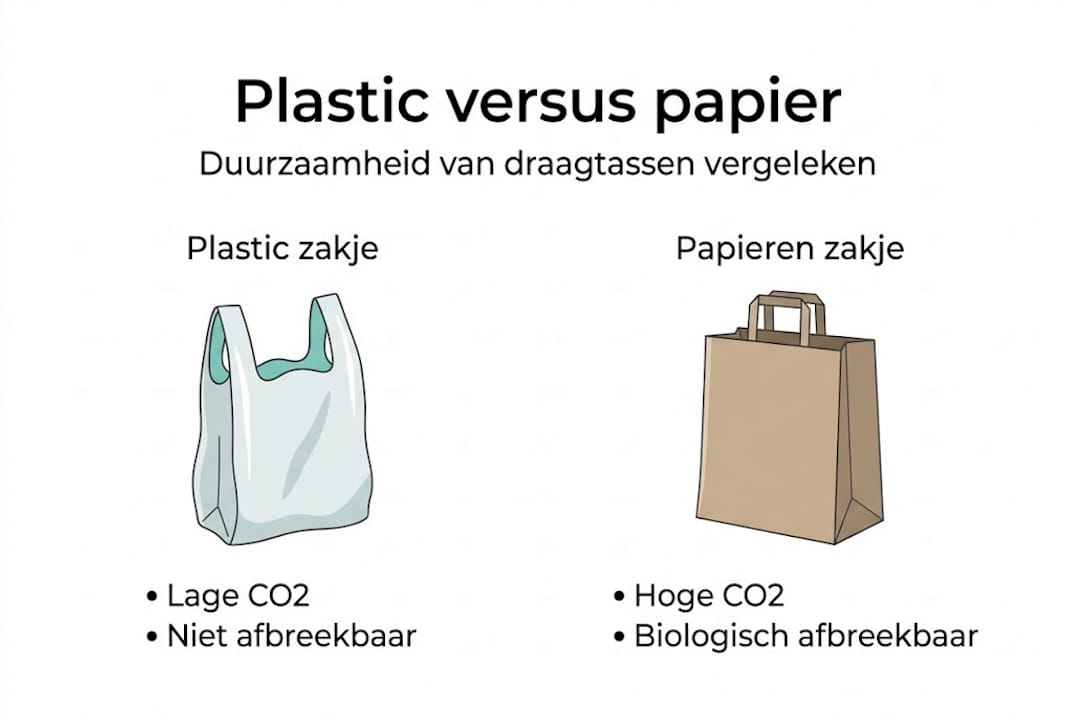
What is clear: the types of gift bags you choose have a direct impact on your sustainability profile as a retailer. Consumers are increasingly paying attention to this. With these facts in mind, we now look at the alternatives that are gaining traction with stores and individuals.
Sustainable alternatives to the plastic bag
Those looking for a more sustainable alternative have plenty of choices. But not every alternative fits every situation. Below is an overview of the most commonly used options.
Recycled plastic bags are a logical first step. They look the same as regular plastic bags but are made from recycled material. They meet the upcoming PPWR requirements and retain the transparency that is so useful for product presentation. Transparent recycled plastic bags are ideal for visibility in gift packaging.
Cotton bags are reusable and have a long lifespan. They are popular as gift bags and offer a premium look. Disadvantage: they are more expensive per piece and less suitable for wet products.
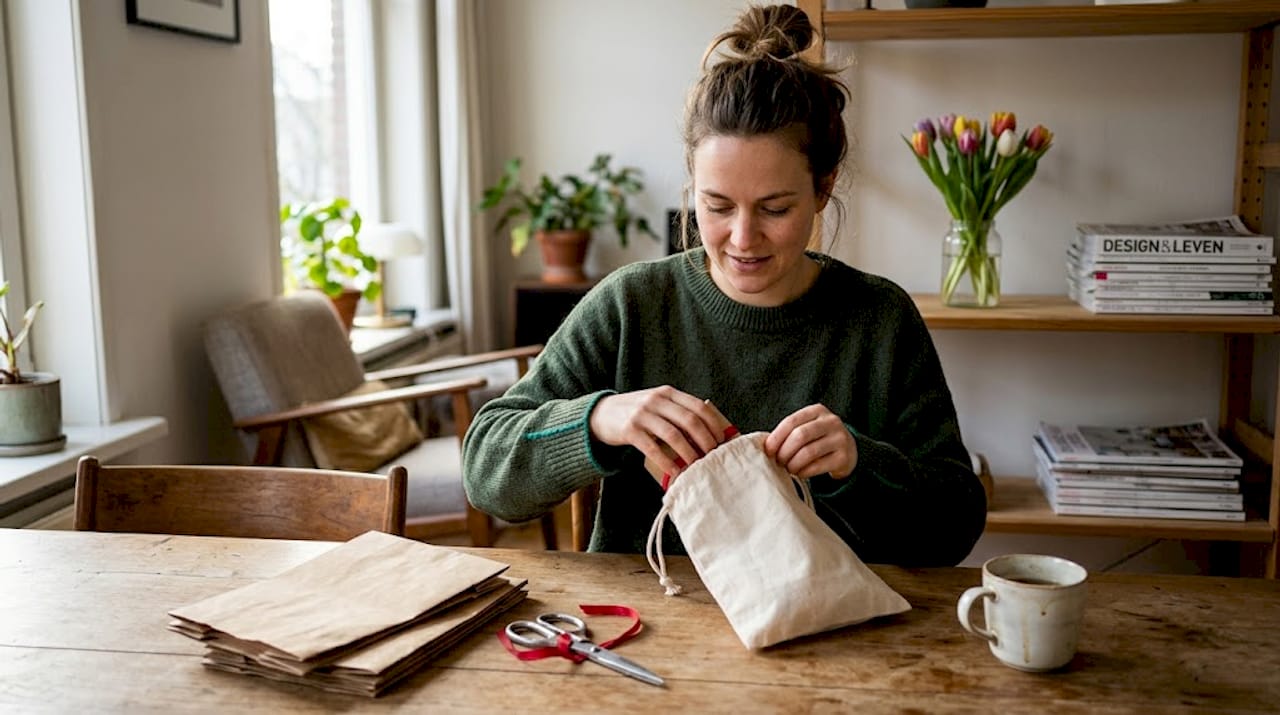
Kraft paper bags are biodegradable and inexpensive. They are suitable for dry products and gifts. They give a natural, artisanal look.
Bagasse bags are made from sugarcane residue and are fully compostable. They are sturdier than paper and suitable for heavier products.
| Material | Reusable | Biodegradable | Cost per piece | Suitable for |
|---|---|---|---|---|
| Recycled plastic | Limited | No | Low | Transparent packaging |
| Cotton | Yes | Yes | High | Gift packaging, premium |
| Kraft paper | No | Yes | Low | Dry products, gifts |
| Bagasse | No | Yes | Medium | Heavier products |
Pro-tip: Combine cotton bags for premium gifts with recycled plastic bags for everyday product packaging. This way, you keep costs low without compromising on sustainability.
How do you, as a retailer, choose the right alternative?
- Determine the purpose of use: gift packaging, product packaging, or transport.
- Consider the lifespan of the product and the bag.
- Compare the cost per piece for your purchase volume.
- Check if the material complies with current and upcoming EU regulations.
- Test customer satisfaction when introducing a new bag type.
For more inspiration on reusable gift packaging and reusable gift bags, practical guides are available. Even for those on a budget, there are budget-friendly packaging options that combine sustainability with low costs. More sustainable plastic alternatives can also be found at specialized providers. Once you understand the alternatives, you can find the right suppliers and use case.
Where to buy plastic bags and alternatives?
The market for packaging material is large. For retailers buying in bulk, there are several specialized suppliers active in the Netherlands.
Suppliers like FD Verpakkingen, Dutch Promo Bags, and RAJAPACK offer bulk plastic bags and alternatives to retailers. They supply large volumes at competitive prices and often also have sustainable variants in their assortment.
For individuals and small-scale use, there are other options:
- WWF-webshop: Offers sustainable plastic alternatives for consumers
- De Hippe Vegetariër: Alternatives to plastic packaging with a focus on kitchen and household
- Specialized webshops: For gift bags, organza bags, and decorative packaging
- Wholesalers: For retailers who regularly need large volumes
Pro-tip: Always ask suppliers for a certificate or product sheet confirming that the material complies with the SUP directive and upcoming PPWR requirements. This way, you prevent problems during a possible inspection.
When purchasing sustainable bags, pay attention to the following characteristics:
- Percentage of recycled material (minimum 30% mandatory from 2030)
- Compostable or biodegradable certificate
- Origin of the material and production conditions
- Delivery time and minimum order quantity
For gift bag inspiration for stores and creative makers, concrete examples are available that you can apply directly. Now that all possibilities are clear, here's our own perspective: what really works and where do people fall into traps?
Our vision: the real gain lies in smart combinations
Many retailers choose one of two extremes: entirely plastic or entirely sustainable. Both choices are too rigid. Practice calls for a clever mix.
Recycled plastic bags and cotton or paper alternatives complement each other. Use transparent recycled plastic bags for products where visibility sells. Choose cotton or kraft paper bags for gifts and premium presentations. This way, you optimize both costs and customer experience.
Legislation forces you to innovate. That sounds like a restriction, but it's an opportunity. Retailers who now invest in sustainable packaging differentiate themselves from competitors who wait until regulations compel them. Customers appreciate that. And it prevents last-minute adjustments that turn out to be expensive.
The balance between price and sustainability is not a compromise. It's a strategy. Also check out unique packaging methods for seasonal gifts to see how creative packaging surprises customers without exceeding the budget.
Complete your gift packaging
Want to get started right away and enhance your business or personal gift packaging? At Kadopapier.net you will find a wide range that matches the choices you have read in this article. From a stylish brown organza bag for a luxurious look to an elegant soft pink curling ribbon as a finishing touch. Ordered Monday to Friday before 3:00 PM, shipped the same working day. Free shipping from 100 euros excl. VAT. View the full range on kadopapier.net and put together your ideal packaging package.
Frequently asked questions
Can you still use plastic bags as a retailer in 2026?
Plastic bags are only allowed if they comply with EU regulations. The SUP directive and PPWR prohibit thin disposable variants and require recycled material by 2030.
Which alternatives are most sustainable for gift packaging?
Reusable cotton bags and bags made from recycled plastics or bagasse score best. Bagasse and cotton are proven sustainable alternatives with a low environmental impact.
Where can I buy plastic bags or sustainable alternatives as an individual?
Consumers can find sustainable bags at the WWF webshop, De Hippe Vegetariër, and specialized webshops such as Kadopapier.net.
What is the effect of the ban on plastic bags?
The ban reduces litter by 25-47% and encourages the use of more sustainable alternatives such as paper, cotton, and bagasse.
Recommendation
- 7 unique wrapping methods for seasonal gifts in the store – Kadopapier.net
- Wrapping without gift wrap: Creative and Sustainable – Kadopapier.net
- Environmentally friendly gift packaging: sustainable and stylish wrapping – Kadopapier.net
- 6 Types of Gift Bags Explained for Savvy Retailers – Kadopapier.net