
Choosing sustainable plastic shopping bags 2026
Recycled plastic reduces CO2 emissions by 40% compared to virgin plastic, making sustainable plastic shopping bags an essential choice for retailers and event organizers. Consumers are demanding environmentally friendly solutions, and European regulations are imposing increasingly strict requirements on plastic packaging. Choosing the right sustainable bag combines environmental responsibility with practicality and brand enhancement. This guide will help you navigate the material types, regulations, and selection criteria for optimal results.
Table of contents
- Types of sustainable plastic shopping bags and materials used
- Environmental impacts and reduction techniques of plastic shopping bags
- European regulations and standards for plastic shopping bags
- Consumer perception and brand positioning with sustainable plastic bags
- Common misconceptions about sustainable plastic shopping bags
- Practical tips and selection criteria for retailers and event organizers
- Conclusion: The road to a sustainable packaging strategy with plastic shopping bags
- Discover sustainable packaging materials at kadopapier.net
- Frequently Asked Questions
Key Points
| Point | Details |
|---|---|
| Material variation | Recycled plastic, biodegradable and reusable polypropylene each offer unique benefits for different applications. |
| CO2 reduction | Recycled bags substantially reduce CO2 emissions and save resources compared to new plastic. |
| EU regulations | European directives set requirements for minimum thickness and reusability, with penalties for non-compliance. |
| Consumer value | 70% of customers value environmentally friendly packaging and are willing to pay more for sustainable choices. |
Types of sustainable plastic shopping bags and materials used
Sustainable plastic shopping bags vary greatly in material composition and production techniques. Recycled plastic bags are made from reused plastic waste and offer significant environmental benefits. They conserve resources and substantially reduce CO2 emissions compared to virgin plastic. These bags combine strength with ecological advantages and are ideal for retailers looking to reduce their environmental impact.
Biodegradable and compostable bags are often confused, but they have different properties. Biodegradable bags only break down under specific industrial composting conditions with high temperatures and humidity. Compostable bags meet stricter standards and can, in some cases, also break down in natural environments, although this process takes much longer. Both types are less suitable for reuse than traditional plastic alternatives.
Reusable polypropylene bags offer a sustainable solution due to their long lifespan. They are:
- Stronger and longer lasting than single-use plastic bags
- Suitable for at least 50 to 100 reuse cycles
- Available in various thicknesses for specific applications
- Ideal for events where customers use bags multiple times
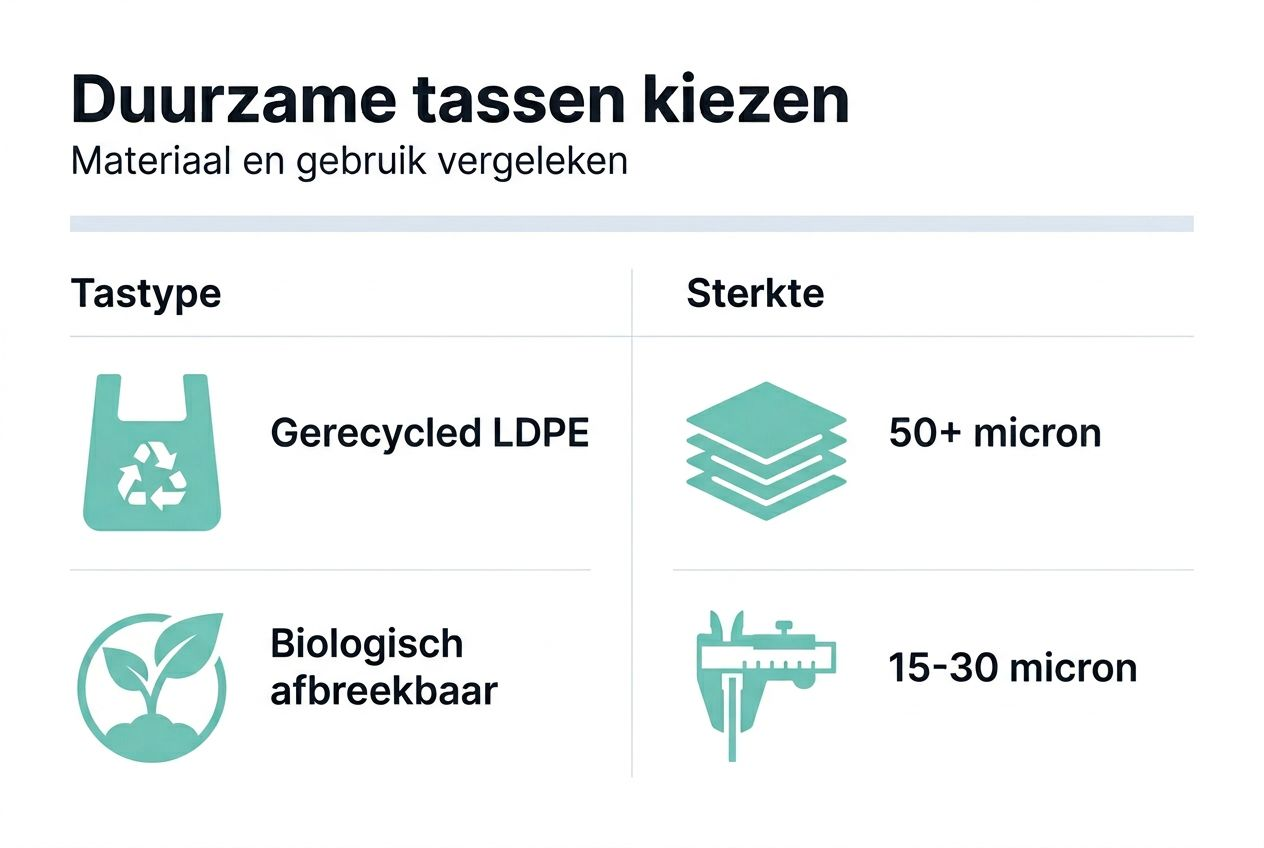
Material strength and thickness determine functionality and durability. Thinner bags, 15 to 30 microns, are suitable for lightweight items, while thicker versions, 50 microns or thicker, support heavier products. The choice depends on your product range and desired reuse frequency.
Environmental impacts and reduction techniques of plastic shopping bags
Using recycled plastic reduces CO2 emissions by 40% compared to new plastic. This reduction is because recycling requires less energy than producing virgin plastic from petroleum. Furthermore, recycled materials reduce the amount of plastic waste that would otherwise end up in landfills or the environment.
Bag thickness and reuse frequency play a crucial role in the overall environmental impact. A thin plastic bag used only once has a worse environmental footprint than a thicker reusable bag that can be used 50 times. Investing in sturdier bags pays off for reusable packaging that customers actively use. Communicate this reusability clearly to maximize its lifespan.
| Bag type | Average reuse | CO2 impact per use | Breakdown time |
|---|---|---|---|
| Recycled LDPE | 3 to 5 times | Low in reuse | 100+ years |
| Biodegradable | 1 to 2 times | Average | 3 to 6 months (industrial) |
| Polypropylene reusable | 50+ times | Very low | 20 to 30 years |
| Compostable PLA | 1 time | High for single use | 6 to 12 months (industrial) |
Degradability varies significantly between industrial and natural conditions. Industrial composting facilities create optimal temperatures of 55 to 60 degrees Celsius and controlled humidity. Natural decomposition in open air or water often takes years longer or occurs almost entirely. Don't expect biodegradable bags to disappear seamlessly into the environment.
Pro tip: Choose bags with a minimum thickness of 50 microns for retail and events. These are durable enough for repeated use and meet EU requirements, offering both environmental and regulatory benefits.
European regulations and standards for plastic shopping bags
European directives impose strict requirements on plastic shopping bags to limit their environmental impact. The EU requires a minimum wall thickness of 50 microns for reusable plastic carrier bags to reduce litter. Thinner bags below this limit may only be offered if they are biodegradable and meet compostability standards. This regulation encourages retailers to invest in more sustainable alternatives.
Compliance with plastic packaging regulations prevents fines and legal complications. Member states can impose their own additional requirements, such as mandatory recycled content percentages or bans on specific plastics. Check the national legislation in your sales region to remain compliant. Supplier certifications prove that bags meet applicable standards.
Consumers expect retailers to comply with sustainability regulations. Key compliance benefits include:
- Avoidance of fines of up to €10,000 per infringement in some Member States
- Strengthening brand image through compliance with environmental standards
- Access to sustainability labels that build customer trust
- Protection against reputational damage in the event of violations
The EU is working on further tightening packaging regulations for 2027 and beyond. Anticipate future requirements by choosing bags with a high recycled content and maximum reusability now. Proactive sustainability positions your company as a leader and prevents abrupt adjustments.
Consumer perception and brand positioning with sustainable plastic bags
Sustainable packaging directly influences purchasing behavior. Research shows that 70% of consumers value environmentally friendly packaging more highly and are willing to pay more for products with eco-friendly packaging. This creates a commercial advantage for retailers who invest in sustainable plastic bags. Customers associate this choice with responsibility and quality.
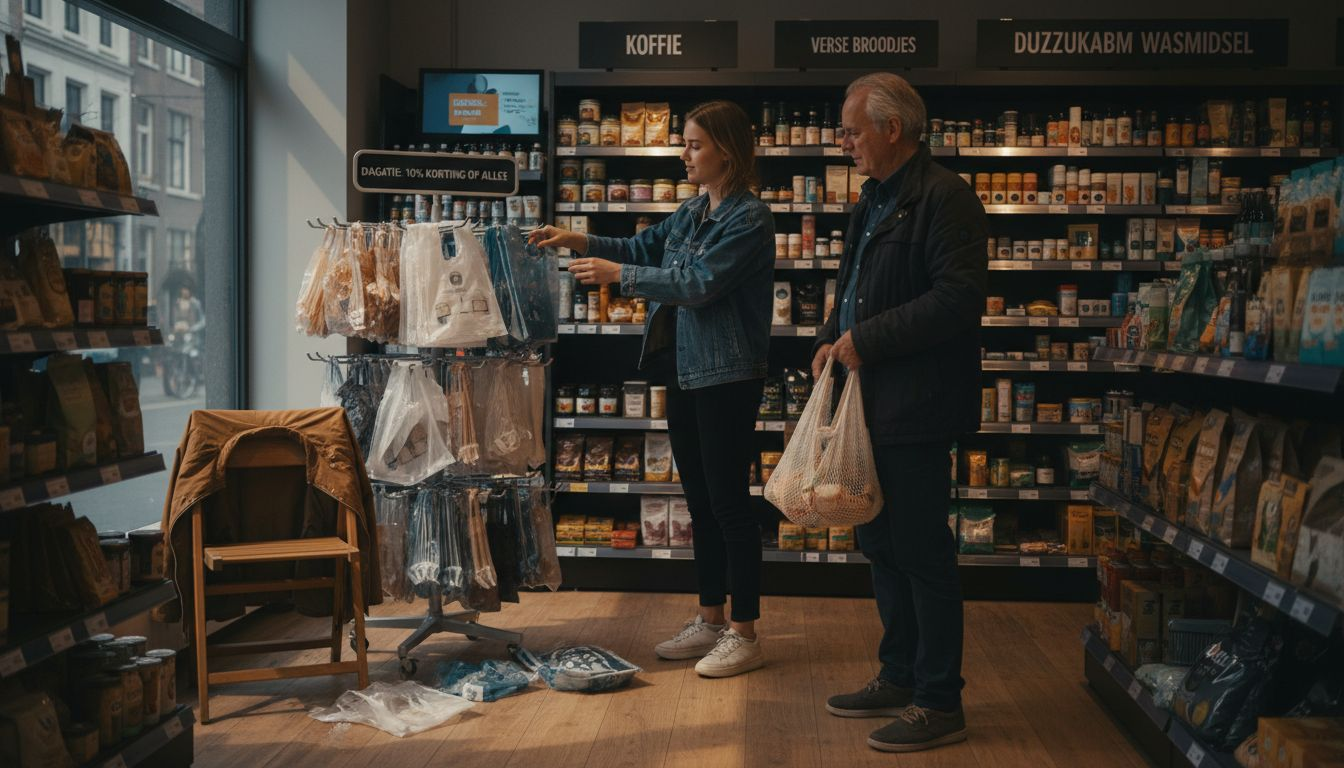
Eco-friendly bags strengthen your brand identity and differentiate you from competitors. They communicate values without words and remain visible after purchase when customers reuse the bag. This mobile advertising reaches potential customers in their daily lives. Consumers are also more likely to share positive experiences with brands that take sustainability seriously.
Marketing benefits of sustainable plastic bags include:
- Increased customer satisfaction through value alignment
- Positive word-of-mouth and online reviews
- Suitability for storytelling in marketing campaigns
- Compliance with corporate social responsibility goals
Transparency about material choices enhances credibility. Indicate the recycled content or reusability on the bag itself or in checkout communications. Customers value honesty and concrete information over vague sustainability claims. Combine visual elements like a recycling logo with clear text for maximum impact.
Common misconceptions about sustainable plastic shopping bags
Biodegradable doesn't automatically mean environmentally friendly. These bags only break down under industrial composting conditions at temperatures above 55 degrees Celsius. In natural environments like oceans or forests, they often remain intact for years. The "biodegradable" label wrongly gives the impression that bags can be discarded without consequences.
Compostable and biodegradable bags are often confused. Compostable bags meet stricter standards and break down within 12 weeks in industrial facilities, leaving behind useful compost. Biodegradable bags have no guaranteed decomposition rate and can leave behind harmful residues. Check certifications such as EN 13432 for true compostability.
Important features and limitations include:
- Organic bags require specific waste management infrastructure
- Home composting is rarely effective for these materials
- No plastic bag dissolves in water or nature like organic material
- Reusable plastic bags often have a lower total impact than organic single-use options
The assumption that reusable bags are always more sustainable is only true if they are reused sufficiently. A polypropylene bag must be used at least 40 times to be more environmentally friendly than a thin plastic bag. Actively encourage customers to continue using bags through attractive designs and durable quality. Sustainable retail choices require strategic thinking about customer behavior.
Pro tip: Communicate transparently about the limitations of your chosen flavor. Explain how customers can properly dispose of or reuse bags. This honesty builds trust and prevents disappointment.
Practical tips and selection criteria for retailers and event organizers
An effective selection framework combines four key criteria for optimal task selection. This approach helps you make decisions that are both ecologically sound and commercially viable.
- Determine your primary objective: CO2 reduction, waste reduction or brand strengthening
- Analyze your average product weight and required bag strength
- Calculate the expected reuse percentage for your target group
- Compare total costs including compliance and reputation benefits
Balancing environmental impact and functionality requires realistic thinking. Plastic bags for retail must remain practical for everyday use. A durable bag that's too thin and tears frustrates customers and wastes material. Invest in quality that allows for reuse and protects products safely.
| Criterion | Recycled LDPE | Biodegradable | Reusable PP |
|---|---|---|---|
| Environmental impact | Good for reuse | Moderate, special drainage | Excellent for 50+ uses |
| Cost efficiency | €0.08 to €0.15 per piece | €0.12 to €0.25 per piece | €0.20 to €0.40 per piece |
| Carrying capacity | 3 to 8 kg | 2 to 5 kg | 8 to 15 kg |
| Reuse reality | 3 to 5 times | 1 to 2 times | 50+ times with good quality |
Effective communication about sustainability increases perceived value. Display visual information at the checkout about the recycled content percentage or the CO2 savings per bag. Train staff to briefly explain the benefits at events or in-store. Customers appreciate this transparency and feel involved in your sustainability efforts.
Consider resealable plastic bags for specific products that require extra protection. These can be used alongside regular carrier bags for food, cosmetics, or other sensitive items. Strategically combine different bags to meet all needs. Consult the selection criteria for paper alternatives to complement plastic options.
Conclusion: The road to a sustainable packaging strategy with plastic shopping bags
Consciously choosing the right material for plastic shopping bags delivers measurable environmental benefits and customer advantages. Recycled and reusable bags substantially reduce your ecological footprint while complying with strict European regulations. This compliance prevents fines and positions your brand as a responsible player in the retail or event sector.
Investing in sustainable bags pays off through increased customer satisfaction and brand reinforcement. Consumers value transparency about material choices and are willing to pay more for eco-friendly options. Actively communicate your sustainability efforts to capitalize on this value.
Start evaluating your current bag strategy today. Identify opportunities to switch to recycled materials or higher-quality reusable options. Involve your team in this transition and inform customers about the benefits. Proactive sustainability will prepare you for stricter regulations regarding plastic party bags and strengthen your competitive position for years to come.
Discover sustainable packaging materials at Kadopapier.net
Kadopapier.net offers a wide range of sustainable packaging solutions for retailers and event organizers. Our selection includes high-quality black plastic carrier bags that combine style and functionality, ideal for retail and events. We select products with a focus on environmental friendliness and practicality.
In addition to plastic bags, we offer complementary packaging options such as brown organza bags for elegant presentation and white decorative curls for finishing touches. These products support a coherent, sustainable packaging strategy that strengthens your brand identity. Discover how our materials can help you achieve your sustainability goals.
Frequently Asked Questions
What are sustainable plastic shopping bags?
Sustainable plastic shopping bags minimize their environmental impact through recycled materials, reusability, or biodegradability. They are produced with a focus on CO2 reduction and resource conservation. These bags combine ecological benefits with practical functionality for retail and events.
How do I comply with European regulations for plastic bags?
Ensure your plastic bags are at least 50 microns thick for reusability or certified biodegradable for thinner versions. Use bags with verifiable certificates confirming EU standards. Communicate transparently about material choices to customers and document your compliance for potential inspections.
Are biodegradable plastic bags always better for the environment?
No, biodegradable bags only break down under specific industrial composting conditions at high temperatures. In natural environments, they often remain intact for years without significant degradation. Reusable plastic bags, when reused sufficiently, often have a lower overall environmental impact than biodegradable single-use bags.
How can I inform my customers about sustainable bags?
Be transparent about the materials used by displaying recycled content and reusability percentages on the bag or at the checkout. Use visual cues like recycling logos combined with clear text. Train staff to briefly explain the environmental benefits, and create marketing materials that tell your sustainability story without exaggerated claims.