
The Importance of Packaging in Retail: 2026 Guide
TL;DR:
- Packaging influences consumer behavior, brand value, and customer loyalty through visual cues and shelf presentation.
- Sustainable packaging is becoming increasingly important, with recyclability and environmental impact being essential for consumers.
- Effective design and strategy make packaging a powerful brand tool and key to efficient retail operations.
Packaging is the most visible strategic decision a retailer makes. The importance of packaging in retail extends beyond product protection: packaging determines in fractions of a second whether a customer grabs a product or walks past. Research by L.E.K. Consulting shows that 99% of brand owners consider packaging to be very important for brand and retail value. Pro Carton shows that 84% of European consumers prefer cardboard over plastic. Packaging is therefore not a side issue, but a direct driver of sales, brand trust, and customer loyalty.
How does packaging influence consumer behavior and purchasing decisions?
Packaging drives consumer behavior at the moment it matters most: on the shelf or screen. Packaging cues influence consumer attention within fractions of a second and determine purchasing decisions even before a customer touches the product. Eye-tracking research with chocolate packaging shows that transparent windows generate more visual attention and purchase intent than closed packaging. Product visibility directly enhances quality perception.
The spatial presentation on the shelf has a surprising effect on purchasing behavior. A study published in Marketing Letters shows that tight shelf arrangements lead to broader mix purchases: customers choose more flavors or variants when products are placed close together. This means that the presentation of packaging on the shelf is just as strategic as the design itself.
Packaging and consumer behavior are also strongly linked through expected quality. A sturdy cardboard box or a well-finished gift bag communicates value even before the product is visible. Retailers in the food and beauty sectors benefit most from this, as quality perception in these categories directly translates into a willingness to pay more.
Practical considerations for packaging design in stores:
- Use transparent windows or cut-outs to increase product visibility.
- Ensure clear visual hierarchy on the packaging: brand, product type, and benefit in that order.
- Actively test shelf arrangements: tightly packed products stimulate variety choices.
- Consider the reading direction of the shelf, from left to right and from eye-level to grabbing height.
Pro-tip: Always have packaging design evaluated in the actual shelf context, not just on a screen. Color, size, and contrast work differently among surrounding products than in isolation.
What is the role of sustainability in modern retail packaging?
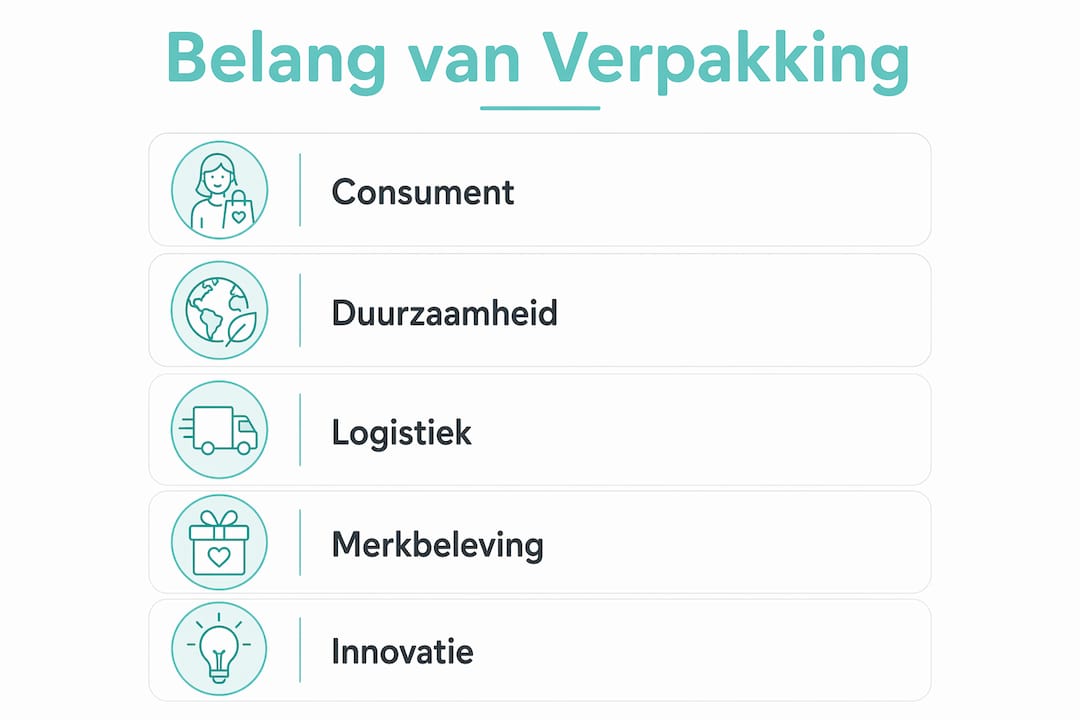
Sustainability is no longer an optional addition to packaging strategy. 37% of European consumers switch brands due to packaging concerns, and for 64%, the ease of recycling is the decisive factor. These are not marginal percentages. They mean that a wrong material choice directly costs market share.
Wageningen University & Research (WUR) developed a decision-making tool that helps the industry make sustainable packaging choices. The core of this approach is that packaging is not inherently bad: it prevents food waste, extends shelf life, and reduces transport damage. A holistic approach weighs environmental impact, social effects, and functionality simultaneously, instead of just looking at material type.
“Packaging can reduce waste and generate environmental benefits. The discussion about sustainability requires nuance and technical substantiation, not simple labels.” — WUR researchers
Steps for a sustainable packaging strategy in retail:
- Map the entire life cycle. Don't just look at the material, but also at transport, storage, and processing after use.
- Choose recyclable cardboard where possible. Pro Carton confirms that 84% of consumers prefer cardboard over plastic. Cardboard boxes also offer logistical advantages for stacking and storage.
- Communicate sustainability claims with technical substantiation. A credible sustainability claim requires technical substantiation that fits within a broader CSR strategy and transparent communication.
- Avoid greenwashing. Consumers also evaluate packaging for sustainability, and an unsubstantiated claim damages brand trust faster than no claim at all.
- Involve suppliers early. Sustainable material choices require collaboration in the chain, not just a decision at the end of the design process.
Want to know more about the impact of eco-materials on retail and current legislation? Kadopapier has compiled a comprehensive overview for retailers.
What logistical and functional benefits do packaging offer in retail?
Packaging is the silent engine behind efficient retail operations. Besides brand experience, packaging determines how quickly products are packed, how stably they are transported, and how easily they are placed on the shelf. Effective packaging design requires attention to recognition, logistics, and functional protection simultaneously.
Shelf-ready packaging (SRP), also known as display-ready packaging, is a good example of how packaging combines logistics and marketing. SRP boxes are placed directly from the pallet onto the shelf without unpacking. This saves time in the store, reduces handling errors, and ensures consistent presentation. Large retailers such as Albert Heijn and Jumbo increasingly set SRP as a standard for suppliers.
| Packaging Function | Benefit for Retailer | Example |
|---|---|---|
| Product Protection | Fewer returns and damage | Cardboard boxes with inserts |
| Shelf-ready packaging | Faster shelf stocking, less handling time | Perforable display box |
| Barcode and SKU Visibility | More efficient inventory management and scanning | Labeling on multiple sides |
| Shelf Life Extension | Less food waste, higher margin | Sealed packaging with barrier layer |
| Stackability | More efficient transport and storage | Standardized carton formats |
The role of cardboard boxes in retail goes beyond transport. Cardboard is light, stackable, recyclable, and easy to print with brand information. For retailers handling large volumes, standardization of carton formats provides direct cost savings in storage and transport.
Pro-tip: Check if your packaging formats align with standard pallet dimensions (80x120 cm in Europe). Packaging that doesn't stack efficiently increases transport costs and the risk of damage.
How does packaging strengthen brand experience and customer loyalty?
Packaging is the most consistent carrier of brand identity in retail. Every time a customer picks up, sees, or unpacks a product, they receive brand signals. Retail packaging contributes to protection, brand experience, and brand loyalty, also through e-commerce packaging. The unboxing experience has become a consciously designed contact moment for many brands.
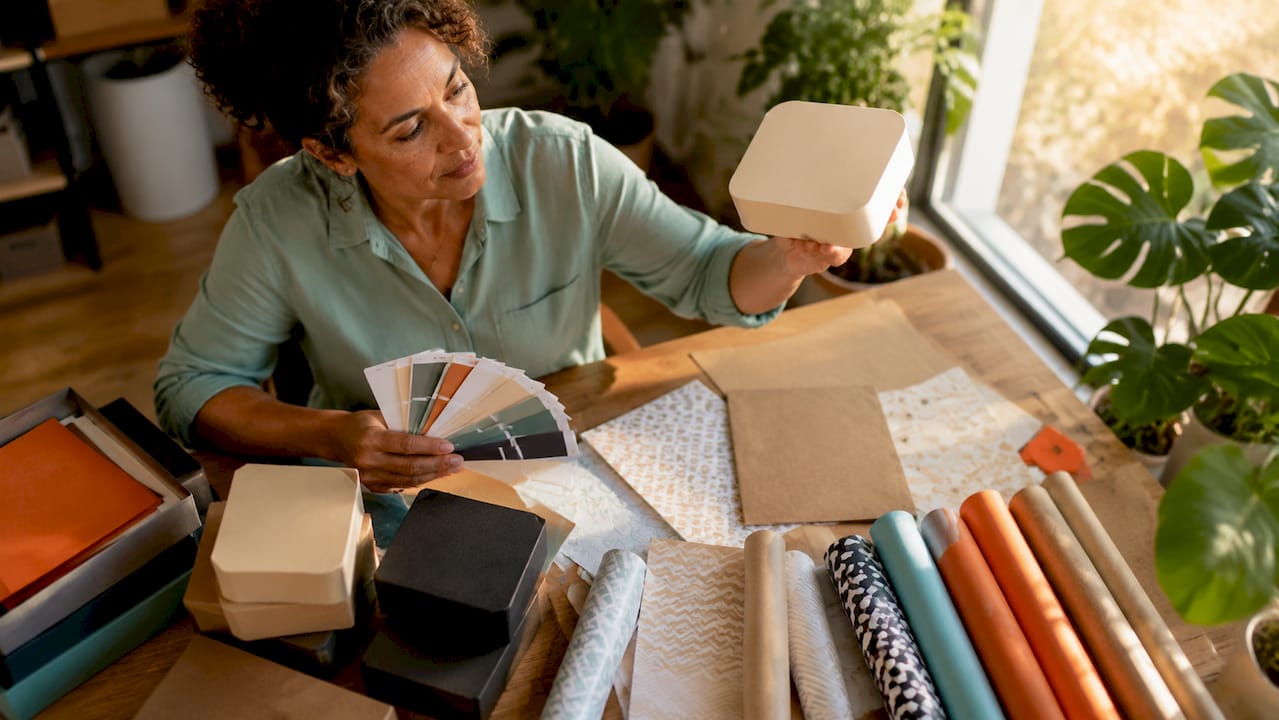
The Kano model provides a useful framework for prioritizing packaging characteristics. Functional features, such as a well-fitting lid or readability of the contents, are basic expectations. Attractive features, such as a surprising interior or high-quality finishing material, create positive surprise and enhance the brand experience. Kano's framework applied to packaging helps distinguish between what customers expect and what positively surprises them.
| Packaging Feature | Functional (basic expectation) | Attractive (positive surprise) |
|---|---|---|
| Closure | Sturdy and re-sealable | Magnetic flap closure |
| Material | Sturdy cardboard | Recycled kraft paper with texture |
| Information | Ingredients and barcode | Brand story or QR code |
| Color and Print | Recognizable brand color | Seasonal or limited edition |
| Finish | Clean and neat | Embossing, foil, or matte varnish |
Personalization further enhances brand experience. A personalized package communicates that a brand pays attention to detail. This works in both physical retail and e-commerce, where packaging is the first physical point of contact after purchase.
Brand recognition through packaging also builds mental availability: the likelihood that a consumer thinks of your brand at the moment of purchase. Consistent color use, typography, and shapes on packaging strengthen these mental associations with every exposure.
Which trends and innovations are shaping the future of retail packaging?
The packaging sector is moving fast in 2026. Digital tools and AI are being used for efficiency and innovation in packaging design, from generative design to automated quality control. Brands use data to substantiate packaging choices based on sales behavior, return rates, and consumer feedback.
Current trends shaping the future of retail packaging:
- AI-supported design. Brands like Unilever and Nestlé are testing AI tools that quickly generate dozens of packaging variants and test them for readability, color contrast, and shelf impact.
- Mono-material packaging. The shift towards packaging made from a single material type makes recycling easier and aligns with European regulations (PPWR).
- Reusable packaging. Retailers are experimenting with deposit systems for packaging. A complete guide to reusable packaging provides insight into practical implementation for retailers.
- Digital product passports. QR codes and NFC chips on packaging give consumers access to information about origin, materials, and recycling instructions.
- Customer-centric custom packaging. Small runs with personalized prints are becoming more affordable through digital printing. This makes seasonal or target group-specific packaging feasible for medium-sized retailers as well.
The expectation for 2026 and beyond is that brands will increasingly treat packaging as a data-driven decision, not a creative afterthought. Packaging as an investment delivers strong brand returns with a relatively small cost impact, especially in food and beauty.
Key insights
Packaging in retail is a strategic investment that influences product protection, consumer behavior, sustainability, and brand experience simultaneously.
| Point | Details |
|---|---|
| Visual impact on the shelf | Transparent windows and tight shelf arrangement directly increase purchase intent and variety choices. |
| Sustainability as a brand factor | 37% of European consumers switch brands due to packaging concerns; recyclability is decisive. |
| Logistical efficiency | Shelf-ready packaging and standardized carton formats reduce handling time and transport costs. |
| Brand experience via Kano model | Distinguish functional basic features from attractive surprises to strengthen customer loyalty. |
| Future is data-driven | AI and digital tools make packaging design measurable and scalable for retailers of all sizes. |
Packaging as a strategic choice: my view after years in retail
What strikes me in conversations with retailers is that packaging is almost always discussed last, even though it determines the first impression. Brands invest months in product development and then arrange packaging in the last week. That is a mistake that is visible on the shelf.
The most common mistake is treating packaging as a cost item instead of a communication tool. A cardboard box might cost five cents more with a better print, but those five cents determine whether a customer picks up the product or not. L.E.K. Consulting confirms this: packaging is a “compelling investment” with a high brand return at a relatively small cost impact.
What I also see is that sustainability communication on packaging is often too vague. "Recyclable" without explanation creates distrust in an increasingly well-informed consumer. Retailers who take sustainability seriously put concrete information on the packaging: what percentage of recycled material, what recycling code, and where the product can be returned.
Finally: consistency is underestimated. A brand that uses the same colors, typography, and tone on every package builds mental availability faster than a brand that changes style every season. Packaging design in stores is not a campaign. It is a system that works every day.
— M
Kadopapier: packaging materials for retailers and entrepreneurs
Kadopapier supplies packaging materials that meet the demands of modern retail: functional, recognizable, and well-finished. From kraft paper and tissue paper to cardboard boxes and decorative finishes, the assortment is composed for retailers who take quality and presentation seriously. For a stylish finish of gift packaging, Kadopapier offers, among other things, decorative curling ribbon in high-quality designs that enhance the customer experience. Do you want to further improve your packaging presentation? View the full range of decorative elastic and finishing materials at Kadopapier.net. Orders placed before 3:00 PM are shipped the same business day. Free shipping from 100 euros excl. VAT.
FAQ
Why is packaging so important in retail?
Packaging determines a product's first impression and influences purchasing decisions in fractions of a second. Research by L.E.K. Consulting shows that 99% of brand owners consider packaging to be very important for brand and retail value.
How does packaging design influence consumer purchasing behavior?
Transparent windows increase visual attention and purchase intention, while neat shelf arrangement encourages consumers to choose more variants. Eye-tracking studies confirm that visual packaging cues guide choice before conscious consideration occurs.
Which packaging material is preferred by European consumers?
84% of European consumers prefer cardboard over plastic, according to Pro Carton. Recyclability is the decisive factor for 64% when choosing between packaging alternatives.
What is shelf-ready packaging and why do retailers use it?
Shelf-ready packaging (SRP) is packaging that is placed directly on the shelf from the pallet without unpacking. It saves handling time, reduces errors, and ensures consistent product presentation in the store.
How does packaging contribute to brand recognition and customer loyalty?
Consistent use of color, typography, and shapes on packaging strengthens mental availability among consumers. Shopify confirms that both product and outer packaging are direct carriers of brand experience and customer loyalty, also in e-commerce.