
Wadding paper explanation: use and applications 2026
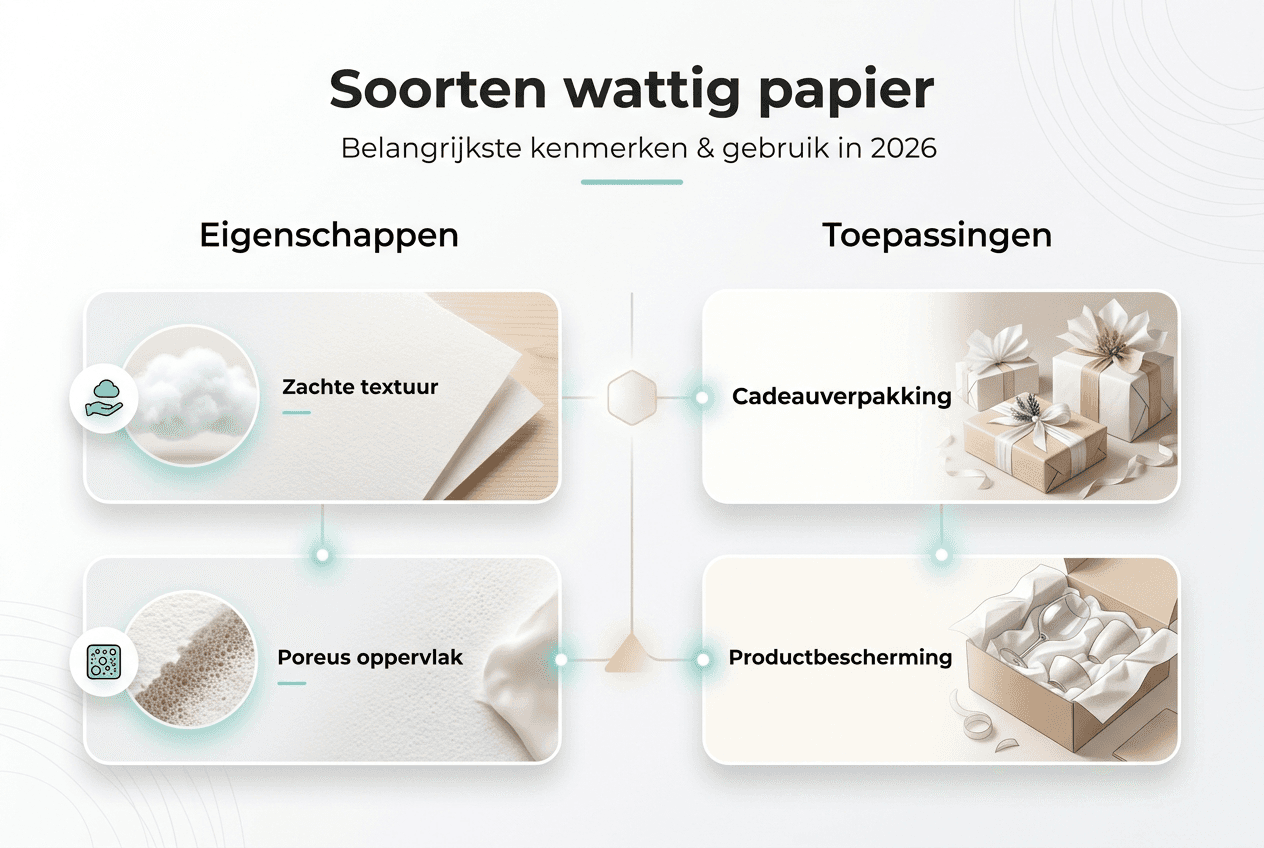
Many retailers and hobbyists confuse fleecy paper with regular wrapping paper, but its tactile texture and porous structure make it unique for gift wrapping. This uncoated paper offers a natural, warm appearance that gives gifts a handcrafted touch. In this guide, you’ll discover everything about the properties of fleecy paper, how to best handle grammage and humidity, what types are available, and how to combine it with ribbons and decorations for professional results. We share practical tips that you can immediately apply in your store or hobby projects.
Table of Contents
- What is fleecy paper and why is it suitable for gift wrapping?
- Grammage, humidity, and paper mechanics: crucial factors for optimal packaging
- Different types of fleecy and related paper in gift wrapping
- Practical tips for processing fleecy paper in gift wrapping
- Discover our sustainable and stylish gift packaging
- Frequently asked questions
Key insights
| Point | Details |
|---|---|
| Tactile texture | Fleecy paper has a soft, porous structure with visible fibers that give gifts a natural, warm look. |
| Grammage determines sturdiness | Choose 80-120 g/m² for standard packaging, 150-200 g/m² for sturdier applications like boxes. |
| Humidity control is essential | Store at 50% relative humidity and 23°C to prevent wavy paper. |
| Combination with tissue paper | Use tissue paper as an interlayer for extra protection and a luxurious presentation. |
What is fleecy paper and why is it suitable for gift wrapping?
Fleecy paper is an uncoated paper type with a soft, porous surface texture that distinguishes it from smooth, coated variants. The term “fleecy” refers to the tactile texture created because the paper does not receive a coating during production. This results in visible fibers and a matte finish that give gifts a natural, artisanal look. For retailers and hobbyists, this paper offers a unique way to differentiate packaging from mass production.
The properties of uncoated paper make it particularly suitable for gift wrapping. The soft texture is pleasant to the touch and invites handling, enriching the unwrapping experience. Its porous structure absorbs light differently than coated paper, making colors appear deeper and more natural. These visual and tactile characteristics create a warm, personal atmosphere that perfectly complements handmade or premium gifts.
Coated paper, on the other hand, has a smooth, glossy finish due to a layer of coating applied during production. This makes it ideal for sharp prints and vibrant colors but lacks the organic appearance of fleecy paper. For retailers who want distinctive packaging, uncoated paper offers an authentic look that aligns with the growing demand for sustainable, natural materials. The benefits of uncoated paper are especially evident in combination with artisanal decorations.
Pro-tip: Test different grammages of fleecy paper to discover which texture best suits your brand identity. Lighter variants feel delicate, while heavier types exude robustness.
Key features of fleecy paper for gift wrapping:
- Visible fibers that add depth and texture
- Matte finish that softens and naturalizes colors
- Soft palpable surface that enhances the unwrapping experience
- Porous structure that is breathable and suitable for various decorations
- Authentic appearance that aligns with sustainable and artisanal trends
Grammage, humidity, and paper mechanics: crucial factors for optimal packaging
Grammage determines the thickness and sturdiness of fleecy paper, directly affecting how the paper behaves during wrapping. Paper between 80 and 120 g/m² is flexible enough for smooth folding around irregular shapes but sturdy enough to prevent tearing. For boxes or heavier items, it's better to choose 150 to 200 g/m², which offers more structure without feeling stiff. Tissue paper, often used as filler, weighs only 14 to 60 g/m² and is perfect for protective layers.

Humidity plays a critical role in how fleecy paper maintains its shape. Paper fibers swell with moisture, leading to a wavy effect that affects the visual quality of your packaging. This occurs especially when paper is exposed to fluctuating humidity or stored in damp areas. ISO 187 standard recommends storage at 50% relative humidity and 23°C to prevent this. For retailers, this means it's best to store your stock in climate-controlled spaces.
The wavy effect occurs because fibers expand unevenly when they absorb moisture. This is especially noticeable with uncoated paper, where fibers react more directly to environmental factors than with coated variants. When you move fleecy paper directly from cold storage to a warm retail space, condensation can occur, causing waves. Therefore, let the paper acclimatize before using it for packaging.
Pro-tip: Store rolls of fleecy paper vertically instead of horizontally to avoid pressure points that can cause permanent creases, especially with lighter grammages.
| Paper type | Grammage (g/m²) | Application |
|---|---|---|
| Light fleecy paper | 80-100 | Delicate gifts, flowers |
| Standard fleecy paper | 100-120 | General gift wrapping |
| Heavy fleecy paper | 150-200 | Boxes, sturdy items |
| Tissue paper | 14-60 | Filling, protection |
Practical measures against moisture problems:
- Use a hygrometer to monitor humidity in your storage area
- Keep paper away from exterior walls and windows where temperature fluctuations occur
- Seal opened rolls in plastic when not in use
- Allow paper to acclimatize for 24 hours in the workspace before use
Understanding how humidity causes wavy paper helps you proactively prevent problems. Invest in a dehumidifier for storage areas with naturally high humidity, especially in basements or warehouses without climate control. This not only protects your paper stock but also other packaging materials like ribbons and decorations that are sensitive to moisture.
Different types of fleecy and related paper in gift wrapping
Textured paper, kraft paper, and tissue paper each have unique properties that make them suitable for specific packaging applications. Textured paper often has a rougher structure than standard fleecy paper and is used for hobby applications such as sketching, but also for rustic gift wrapping. Its coarse texture gives an artisanal look that pairs perfectly with natural decorations like jute ribbon or dried flowers. Kraft paper, made from unbleached pulp, has a characteristic brown color and is sturdier than regular fleecy paper.
Kraft paper combines strength with an ecological appeal, making it popular among environmentally conscious retailers. Its grammage typically ranges between 70 and 120 g/m², making it suitable for both folding and sturdy packaging. The natural brown hue provides a neutral base for colorful ribbons and stamps, allowing you to easily create personalized packaging. Tissue paper, on the other hand, is ultra-light and primarily used as filler or a protective layer between the gift and outer packaging.
The applications of tissue paper in gift wrapping are versatile. It protects delicate items from scratches, fills empty spaces in boxes, and adds color when folded around the gift before wrapping it in fleecy paper. This layered approach creates a luxurious unwrapping experience where each layer offers a new visual surprise. Retailers also use tissue paper for branding by printing logos on its light, absorbent surface.
| Paper type | Characteristics | Best use |
|---|---|---|
| Textured paper | Coarse structure, artisanal | Rustic packaging, hobby |
| Kraft paper | Sturdy, natural brown hue | Ecological packaging, sturdy items |
| Tissue paper | Ultra-light, colorful | Filling, protection, layering |
| Fleecy paper | Soft, porous, tactile | General gift wrapping |
Combining different types of paper enhances the value of your packaging. Start with a layer of tissue paper directly around the gift for protection and color. Wrap fleecy or kraft paper over it as the main packaging. Add textured paper as an accent, for example, as a tag or inlay in the packaging. This layered method not only offers practical benefits but also makes unwrapping a sensory experience.
Differences in grammage between paper types:
- Tissue paper: 14-60 g/m², extremely light and flexible
- Fleecy paper: 80-120 g/m², balance between suppleness and sturdiness
- Kraft paper: 70-120 g/m², robust with natural stiffness
- Textured paper: 100-200 g/m², heavier for structure and body
Pro-tip: Purchase paper types in complementary colors so you can quickly create attractive combinations without having to re-match every time. Neutral shades of fleecy paper match virtually all tissue paper colors.
Practical tips for processing fleecy paper in gift wrapping
Preparation is essential for professional results with fleecy paper. Start by checking the humidity in your workspace, ideally between 45% and 55%. Lay paper flat and inspect for waves or creases before you begin cutting. When printing or stamping on paper, always test on a scrap strip first. Ink dries slower on porous paper than on coated variants, so allow extra drying time to prevent smudges.
Use a sharp knife or cutter to achieve neat edges without fraying. Dull blades will pull at the fibers and create rough edges that diminish the quality of your packaging. For straight lines, use a metal ruler and cutting mat. When folding around objects, first make light crease lines with your fingernail or a bone folder. This prevents tearing and ensures crisp, professional folds that preserve the natural texture of the paper.
Combining fleecy paper with ribbons and decorations requires attention to balance. Satin ribbons offer a beautiful contrast with the matte texture of fleecy paper, while jute or cotton ribbons enhance the natural aesthetic. Attach decorations with double-sided tape instead of glue, which can seep through the porous surface and cause stains. For a layered effect, combine different ribbon widths and textures.
Steps for optimal processing:
- Acclimatize paper for 24 hours in the workspace
- Check and correct humidity if necessary
- Test ink or stamps on scrap material
- Cut with sharp tools for neat edges
- Fold with light pressure to prevent tearing
- Attach decorations with appropriate tape
Sustainability is becoming increasingly important for Dutch consumers. Choose FSC-certified paper to demonstrate that you use wood from responsibly managed forests. This certification is recognizable and builds trust with environmentally conscious customers. Clearly communicate this choice in your store or on your website, as it adds value to your brand and may justify a higher price.
Pro-tip: Create a test package with different combinations of paper, ribbon, and decorations before making a large batch. Photograph the result in natural light to see how colors and textures come together.
Storage and handling tips:
- Always roll paper with the printed or decorative side facing out to prevent creases
- Use paper interleaves between rolls to prevent color transfer
- Store in a dark place to minimize discoloration from UV light
- Keep paper away from heat sources that can dry out fibers and make them brittle
By following these practical steps, you maximize the quality of your gift packaging and minimize material waste. Invest in good storage solutions and tools, as these will pay for themselves through consistent results and satisfied customers who appreciate the care in your packaging.
Discover our sustainable and stylish gift packaging
Now that you know the ins and outs of fleecy paper, it's time to elevate your packaging with the right accessories. At Kadopapier.net, you'll find a wide assortment of ribbons that perfectly harmonize with the natural texture of fleecy paper. Our red organza ribbon adds elegant transparency that beautifully contrasts with matte paper types, ideal for festive occasions. For a playful touch, our paperlook curling ribbon in pink offers a sustainable alternative that curls easily and adds volume to your gifts. Combine these with our gift decoration curls pins in white for a professional finish that your customers will appreciate. Our assortment is carefully curated for the Dutch market, focusing on quality and sustainability that aligns with your values as a retailer or hobbyist.
Frequently asked questions
How do I best store fleecy paper to prevent waves?
Store fleecy paper at 50% relative humidity and a temperature of 23°C according to ISO 187 standard. Use a hygrometer to monitor humidity and invest in a dehumidifier if your storage area is naturally damp. Store rolls vertically in sealed plastic when not in use to minimize moisture exposure. Allow paper to acclimatize for 24 hours in your workspace before processing it.
What is the difference between coated and uncoated paper for gift wrapping?
Coated paper has a smooth, glossy coating that allows for sharp prints and vibrant colors, ideal for modern or commercial packaging. Uncoated fleecy paper lacks this coating, resulting in a soft, porous texture with visible fibers and a matte finish. This natural feel makes uncoated paper suitable for artisanal, warm gift packaging that offers a tactile experience. The choice depends on your brand identity and the desired aesthetic.
Can I combine fleecy paper with tissue paper for extra protection?
Yes, combining wadding paper with tissue paper is an excellent strategy for both protection and aesthetics. Use tissue paper as the first layer directly around the gift to prevent scratches and add color. Wrap wadding paper over it as the main packaging for structure and a natural look. This layered approach creates a luxurious unwrapping experience where each layer adds visual interest. Tissue paper is light enough not to add too much bulk, yet effective in protecting delicate items.
What grammage of wadding paper should I choose for different gifts?
For delicate or light gifts such as jewelry or textiles, choose 80-100 gsm, which folds smoothly without tearing. Standard gifts such as books or clothing are best packaged in 100-120 gsm for a balance between flexibility and sturdiness. For boxes or heavier items, use 150-200 gsm, which provides more structure without feeling stiff. Test different grammages to discover what works best for your specific applications and brand image.
Recommendation
- Difference between tissue paper and silk paper: applications 2025 – Kadopapier.net
- Tissue paper as void fill: Understand and use it smartly – Kadopapier.net
- What is tissue paper? Applications and tips for 2025 – Kadopapier.net
- Bleached Tissue Paper 22g - Water-resistant, Colorfast, 50x75 cm – Kadopapier.net