
Plastic Share Bags: Important for Retail 2026
Choosing the right packaging material can sometimes feel like a challenge, especially for gift shops that want to combine top quality with a stylish look. In Central Europe, many entrepreneurs are looking for solutions that are both practical and stylish for wrapping small gifts or treats. Polypropylene plastic gift bags offer a transparent and protective presentation while being lightweight and easily reused or recycled, a smart move towards more sustainable retail.
Table of contents
- What exactly are plastic party bags?
- Types of party bags and their uses
- Key features and materials
- New EU regulations and sustainability goals 2026
- Costs, obligations and alternatives in retail
Key Points
| Point | Details |
|---|---|
| Plastic party bags are versatile | They are lightweight, transparent and suitable for packaging small items in the retail and gift sector. |
| Sustainability is key | The bags are recyclable, but require conscious separation and collection from both consumers and businesses. |
| Due to new EU regulations, companies must adapt | From August 2026, packaging must be recyclable, which requires adjustments in production processes. |
| Strategic shift to reusable alternatives | Retailers must invest in sustainable packaging solutions to minimize financial and environmental impacts. |
What exactly are plastic party bags?
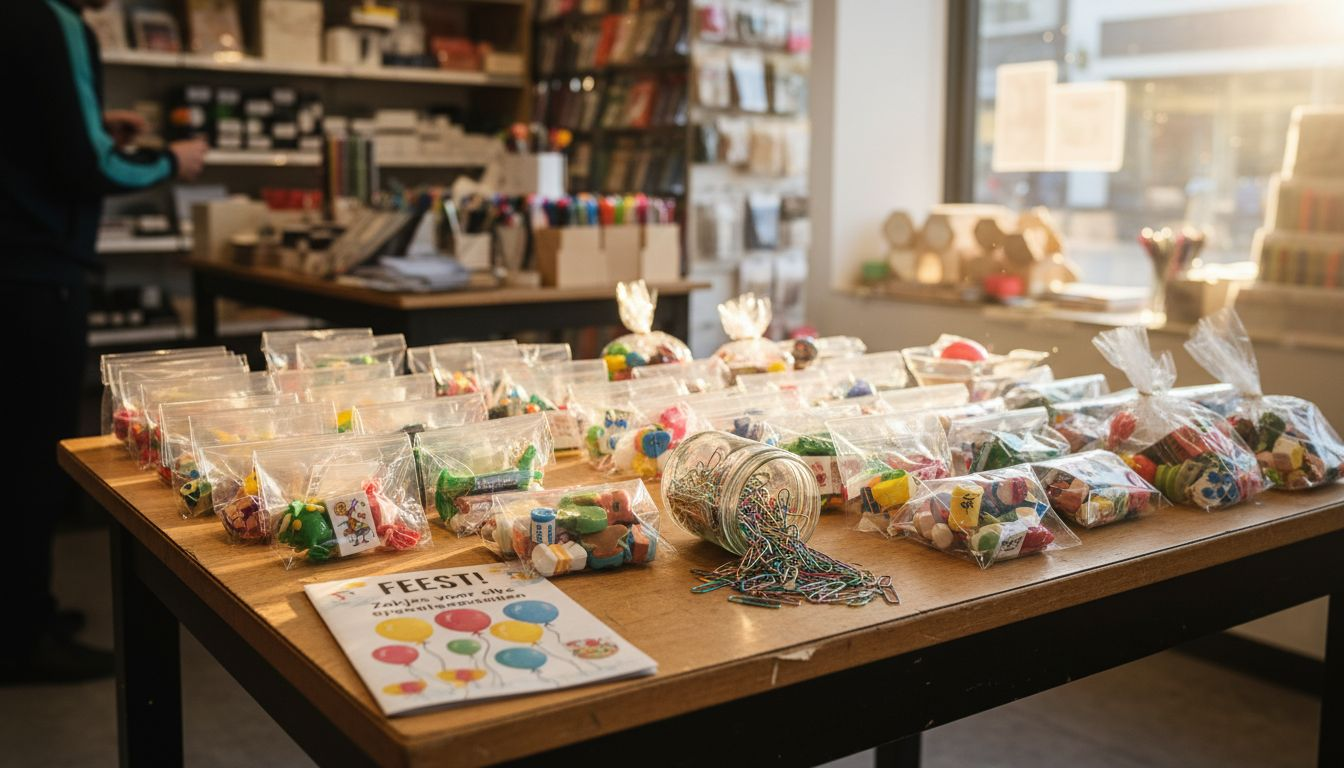
Plastic party bags are lightweight, transparent packaging materials that play a crucial role in the retail and gift industry. They are designed to package and protect small items such as candies, treats, and small gifts. Plastic party bags are typically made of polypropylene, a versatile and relatively lightweight material.
These bags have several features that make them so popular in different environments:
- Transparent and see-through
- Lightweight construction
- Protective properties
- Suitable for single use
- Available in different sizes
The primary purpose of plastic party bags is to safely and attractively package small items. They are widely used at parties, in stores, and at events where small gifts or treats are distributed. Polypropylene offers a combination of flexibility, strength, and low production costs.
Regarding sustainability, it's important to note that these bags are recyclable, provided they are properly separated and collected. However, disposing of plastic packaging requires conscious efforts from both consumers and businesses.
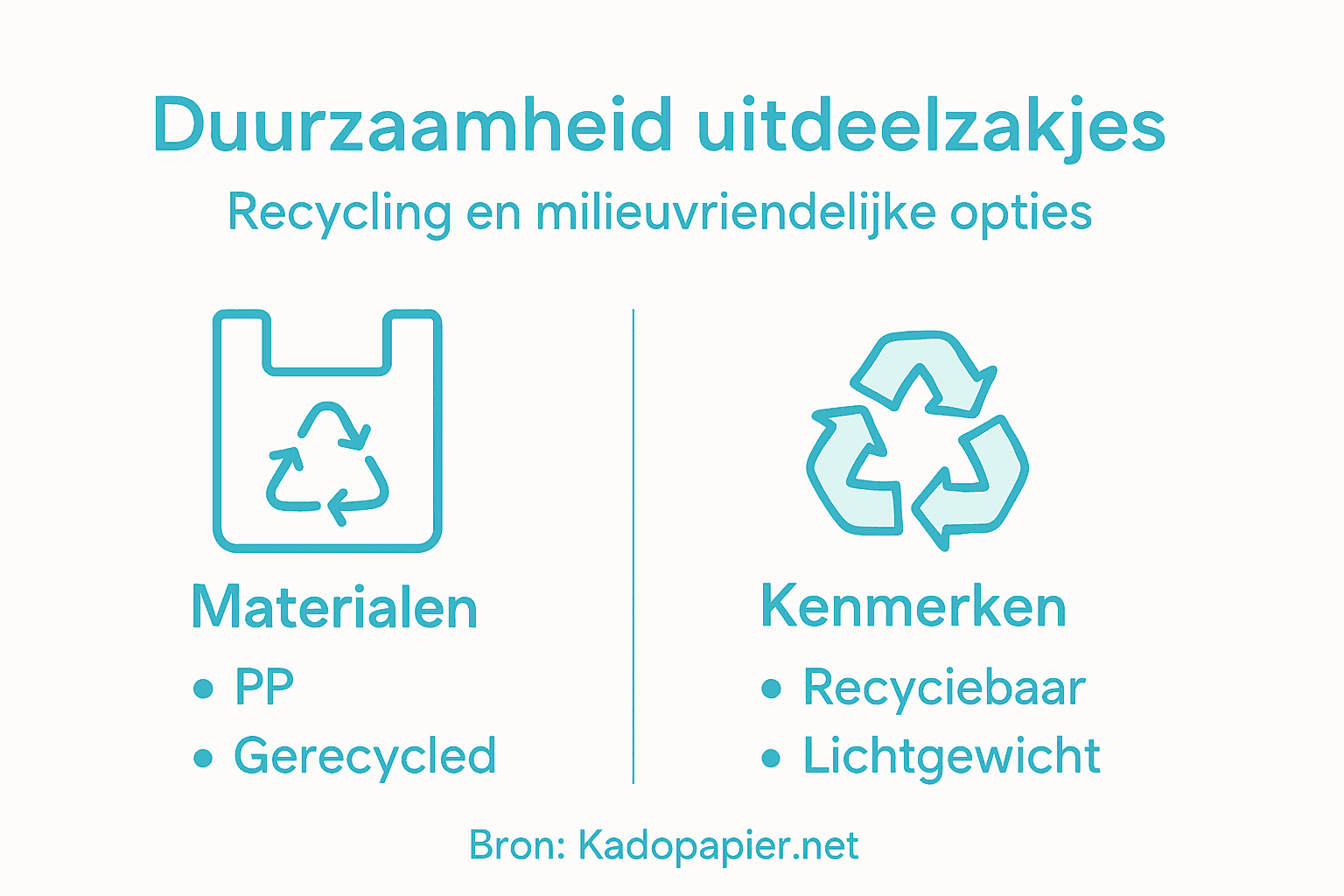
Pro tip: Choose party bags made from recycled materials to reduce environmental impact while maintaining functionality.
Types of party bags and their uses
The world of plastic share bags is surprisingly diverse, with different types designed for specific retail and presentation purposes. Different bag styles offer unique solutions for different packaging needs.
Main categories of plastic party bags include:
- PP block bottom bags : Strong and stable
- Diamond Bags : Suitable for gift wrapping
- Side gusset pockets : Extra space for taller items
- Transparent bags : Ideal for product visibility
- Colored bags : Decorative presentation
Each type of share bag has specific properties that make it suitable for different applications. PP block-bottom bags, for example, are particularly popular in the food and non-food sectors due to their sturdy construction and stability. They can stand upright, making them ideal for presentation and transport.
Diamond bags are distinguished by their elegant shape and are perfect for packaging gifts and delicate items. They offer an attractive presentation that's a little different from traditional straight bags. Side-gusset bags, on the other hand, are ideal for items that require more height, such as long candy canes or slightly larger gifts.
Pro tip: Choose the type of party bag that fits the specific size and weight of the items you want to pack.
Key features and materials
Plastic share bags are manufactured from various plastic materials with specific properties that determine their suitability for different applications. Materials such as polyethylene, polypropylene, and PET form the basis of these versatile packaging solutions.
Main plastic materials for party bags:
- Polyethylene (PE) : Flexible and lightweight
- Polypropylene (PP) : Strong and heat resistant
- Polyethylene terephthalate (PET) : Clear transparency
- Bioplastics : Environmentally friendly alternative
- Recycled plastic : Sustainable choice
The choice of a specific material depends on several factors, such as the desired strength, transparency, flexibility, and environmental impact. Polypropylene, for example, is popular for its strength and ability to remain upright, while PET is valued for its crystal-clear appearance.
Recycling and sustainability are becoming increasingly important in the development of plastic party bags. The industry is focusing on developing materials that are easier to recycle and contain more recycled content, with the aim of reducing the environmental impact.
Pro tip: Always check the material properties in relation to your specific packaging needs to choose the most suitable option.
Below you will find an overview of the most commonly used materials for party bags and their impact on sustainability:
| Material | Environmental impact | Suitability of recycling process |
|---|---|---|
| Polyethylene (PE) | High tax | Difficult to recycle |
| Polypropylene (PP) | Moderate impact | Easily recyclable |
| PET | Low tax | Very suitable for recycling |
| Bioplastics | Low impact | Compostable |
| Recycled plastic | Very low | Circular application |
New EU regulations and sustainability goals 2026
New European packaging regulations will bring major changes to how companies produce and use plastic party bags starting in August 2026. This regulation, known as the PPWR (Packaging and Packaging Waste Regulation), focuses on reducing environmental impact and encouraging more sustainable packaging solutions.
Key changes for retailers and manufacturers:
- Mandatory recyclability of packaging
- Limitation of multi-layer packaging
- Stricter controls on harmful substances
- Reducing unnecessary empty space
- Promoting reusable packaging
New requirements for manufacturers include providing clear recycling labels and reducing packaging waste. Furthermore, companies must actively work to reduce their environmental impact by using more recycled materials and reducing single-use packaging.
The EU regulation imposes stricter requirements on all packaging within EU member states. By 2030, all packaging must be fully recyclable, which requires significant changes in the production of plastic party bags.
Pro tip: Prepare your business for these changes now by investing in sustainable packaging technologies and recyclable materials.
This chart shows how the new EU rules will affect retail businesses from 2026:
| Rule change | Impact on companies | Required action |
|---|---|---|
| Mandatory recyclability | Adjustment of production process | Use recyclable materials |
| Limitation of multi-layer packaging. | Less complex designs | Simplify packaging |
| Stricter controls on substances | Additional quality checks | Perform product analyses |
| Less empty space | More efficient packaging | Optimizing designs |
| More reusable packaging | Structural renewal costs | Investing in alternatives |
Costs, obligations and alternatives in retail
The retail sector faces significant challenges related to plastic party bags, with cost savings and sustainability taking center stage. New regulations introduce financial incentives that force businesses to consider alternative packaging solutions.
Key cost implications for retailers:
- Mandatory surcharge on disposable packaging
- Investment costs for reusable alternatives
- Possible fines for non-compliance with regulations
- Costs for adjusting packaging processes
- Potential savings through sustainable solutions
The economic impact of these changes is significant. Retailers must consider not only immediate costs but also the strategic shift toward more sustainable packaging materials. Reusable alternatives can deliver long-term cost savings, despite the initial investment.
This transition calls for creative solutions and a proactive approach. Companies can consider developing environmentally friendly handout bags or switching to materials that are easier to recycle and have a lower environmental impact.
Pro tip: Analyze your current packaging costs and create a multi-year plan for gradual sustainability to prevent financial shocks.
Make sure your retail packaging is ready for 2026
The new EU regulations for plastic party bags make it clear that sustainability and recyclability are not optional but essential. Many retailers struggle to find packaging materials that not only meet these strict requirements but also remain affordable and attractive. At Kadopapier.net, we understand that choosing the right party bags and other packaging solutions is crucial for both environmentally responsible practices and for continuing to impress your customers with a professional look.
Discover our wide range of high-quality packaging materials, including eco-friendly gift bags and stylish accessories that perfectly align with the trends and regulations of 2026. With our products, you are assured of:
- Sustainable materials that are easy to recycle
- Various types of party bags tailored to your needs
- Extra attention to quality and design that appeals to customers
Don't wait until the last minute; prepare your business for the future now. Visit Kadopapier.net and find the packaging solutions that complete your retail business. Invest today in packaging materials that not only protect your products but also contribute to a sustainable world.
Frequently Asked Questions
What are plastic party bags?
Plastic gift bags are lightweight, transparent containers made from materials such as polypropylene, designed for securely packaging small items such as sweets and gifts.
How can I use plastic party bags sustainably?
You can use plastic party bags sustainably by choosing bags made from recycled materials and recycling them correctly after use. This helps reduce the environmental impact.
What are the different types of plastic party bags and their uses?
There are different types of share bags such as PP block bottom bags, diamond bags, and side gusset bags, each suitable for specific applications, from food packaging to gift wrapping.
What are the new EU rules for plastic packaging in 2026?
The new EU rules introduce obligations for the recyclability of packaging, restrictions on multi-layer packaging and encourage the use of reusable packaging, which will have a significant impact on the production and use of plastic party bags.