
Sinterklaas Doll: Unique Decoration and Gift Wrapping
Every retailer recognizes the moment when customers are looking for that special touch for their Sinterklaas gift. In a time when generosity is paramount, eye-catching packaging is just as important as the contents. From classic Sinterklaas figurines to the latest sustainable trends in gift wrapping, discover how to make your assortment not only more attractive but also more future-proof for the Sinterklaas celebration in the Netherlands. This way, you can elevate the experience and sales.
Table of contents
- What is a Sinterklaas doll and the tradition
- Different types and materials explained
- Applications in shop decoration and gift wrapping
- Trends and sustainability in Sinterklaas dolls
- Common mistakes and smart packaging tips
Key Points
| Point | Details |
|---|---|
| Santa Claus Doll | These figures are essential to the Sinterklaas tradition and function as decorative elements that attract customers. |
| Materials and Sustainability | Natural materials such as cotton and wool are popular with consumers because of their quality and durability. |
| Influence on Sales | Strategic placement of Sinterklaas figures in shop windows can increase foot traffic and sales. |
| Packaging strategies | Minimalist and high-quality packaging increases the perceived value of Sinterklaas gifts. |
What is a Sinterklaas doll and the tradition
A Sinterklaas doll is a decorative figure representing Saint Nicholas. It's a popular decoration in Dutch homes and businesses during the Sinterklaas season. These dolls range from simple designs to intricately handcrafted works of art.
The origins of Sinterklaas go back to Bishop Nicholas in the 4th century . In the Netherlands, this celebration has become an important national children's festival on December 5th. What began as a religious tradition is now deeply rooted in our culture.
Why are Sinterklaas dolls so important?
These dolls serve several functions during the Sinterklaas period:
- Visual representation of the festival in shop windows and homes
- Recognition of Sinterklaas traditions for children and adults
- Decorative eye-catcher that attracts customers to stores
- Symbol of a beloved cultural moment
The figure of Sinterklaas and his servants plays a central role in the celebration. They represent values such as generosity and warmth. For retailers, a well-displayed Sinterklaas figure is a powerful commercial tool.
The tradition behind the doll
Tradition and nostalgia revolve around familiar Sinterklaas rituals. Shoe-setting, gift-giving, and surprises are centuries-old. These customs are still alive in many Dutch families and businesses.
The Sinterklaas figure is more than just decoration. It's a tangible symbol that emotionally connects customers to the holiday. Retailers therefore use these figures strategically in their gift shops.
For crafters and decorators , Sinterklaas dolls offer seasonal decoration possibilities that can be reused year after year. They fit perfectly into a complete Sinterklaas unpacking.
A well-placed Sinterklaas figure in your window can make the difference between passers-by and actual customers.
Professional advice: Combine Sinterklaas figures with matching wrapping materials and gift bags for a complete themed gift wrapping offer that will instantly inspire customers.
Different types and materials explained
Sinterklaas dolls are made from a variety of materials, each with its own advantages and characteristics. The choice you make determines the doll's appearance, its durability, and where it best fits into your collection.
Commonly used materials for Sinterklaas dolls
A wide variety of materials is available. Cotton and wool dolls are often used for handmade versions that function as art objects. These natural materials feel warm and have an authentic appearance.
The texture range and durability directly depend on your choice of materials:
- Cotton and wool – natural, soft, suitable for premium packaging
- Polymer clay – shape-flexible, vibrantly colored, ideal for details
- Self-drying clay – no oven required, quick to use
- Plastic and resin – cheap, durable, mass production-friendly
- Ceramics – elegant, fragile, more for decoration than toys
Natural materials versus plastics
Natural materials like pure wool attract customers who value sustainability. These dolls feel premium and tell a story of craftsmanship. Plastic dolls, on the other hand, offer better cost-effectiveness for larger quantities.
For retailers, this distinction is crucial. High-end gift shops benefit from packaging materials that emphasize sustainability , while mass-market retailers benefit from budget-friendly options.
Practical considerations
Organic cotton and pure wool offer a luxurious feel but are more expensive. Polymer clay offers creative freedom and vibrant color. Plastic is ideal for large volumes and lower price points.
Texture plays a major role in the experience. A soft, fluffy doll feels different than a smooth, shiny one. This directly influences how customers rate your gift packages.
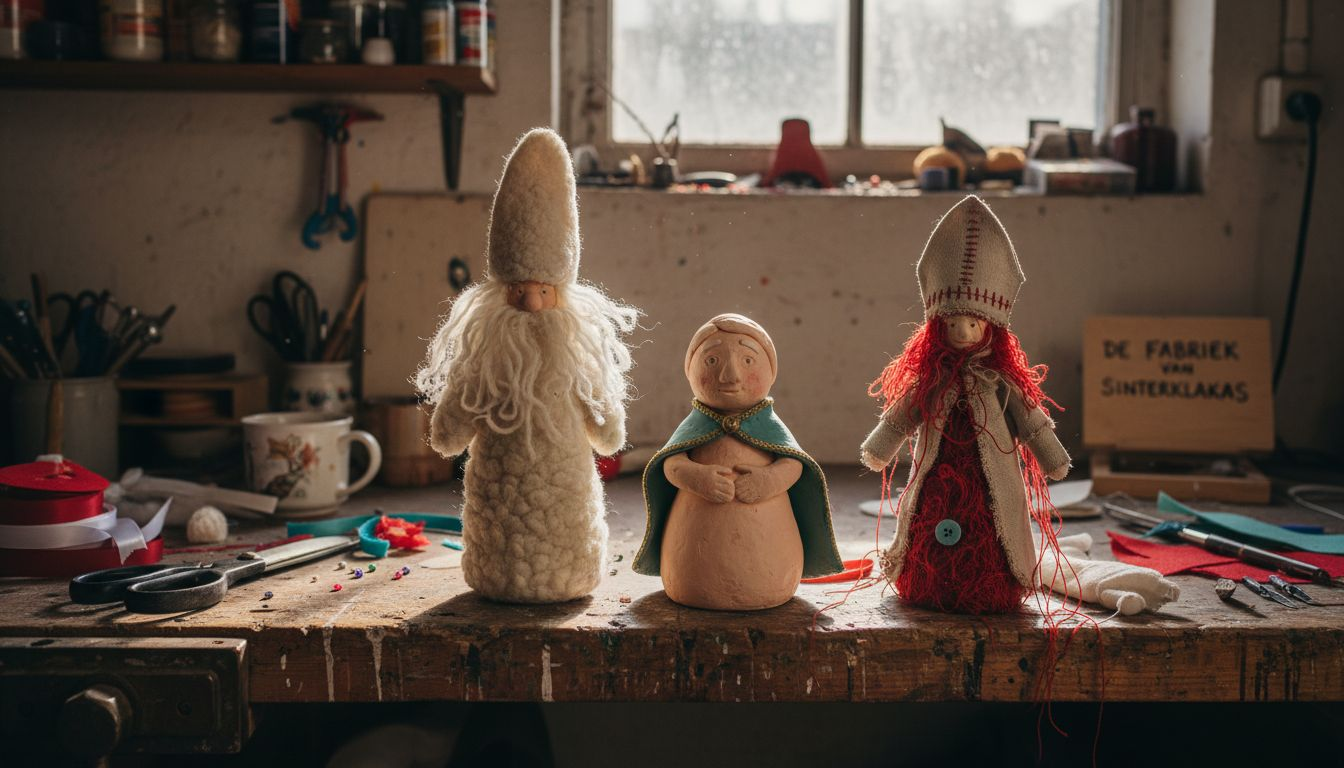
Below you will find an overview of the features, benefits, and applications of popular Sinterklaas doll materials:
| Material | Appearance & feel | Suitable for | Sustainability |
|---|---|---|---|
| Cotton & wool | Warm, natural, soft | Luxury gift shops | Very high, organic |
| Polymer clay | Bright colors, details | Creative designs | Moderate, synthetic |
| Plastic & resin | Light, smooth, firm | Bulk production | Cheap, not eco |
| Ceramics | Elegant, fragile | Decorators, display case | Vulnerable, craft |
The choice of materials determines not only the appearance, but also the perceived value and durability of your Sinterklaas range.
Craftsmanship tip: Combine different material types in your collection – soft cotton for premium customers, synthetic for bulk orders – and match each type with suitable packaging materials from your inventory.
Applications in shop decoration and gift wrapping
Sinterklaas figures play two important roles in your store: they attract customers and enhance the gift-wrapping experience. Their placement and presentation determine whether they truly make an impact.
In the shop window and retail space
A well-positioned Sinterklaas figure in your window acts as a silent salesperson. It attracts passersby and creates a festive atmosphere. Many retailers strategically place these figures at eye level or in groups with other Sinterklaas themes.
The display impact increases when you combine Sinterklaas figures with:
- Colorful wrapping materials and ribbon
- Thematic backgrounds and lighting
- Groups of dolls in different sizes
- Additional decorations such as streamers and stars
- Clear price tags and attractive displays
In gift wrapping and presentations
Dolls also serve as decorative elements in gift wrapping. Small dolls can be tied to ribbon or placed on top of a box. This adds a personal, luxurious touch to any gift.
Unique packaging techniques can transform your gift packages. Original gift wrapping in the store combines creative elements like ribbon, tissue, and decorative dolls for maximum impact.
Seasonal strategies
The Sinterklaas period runs from September to December 5th. This gives you ample time for strategic placement and rotation. Start your window displays early and update them regularly to capture customer attention.
Combining pops with seasonal colors makes your display memorable. Gold, red, white, and green work perfectly with Sinterklaas themes. This creates a cohesive visual experience that attracts customers.
A well-displayed Sinterklaas figure can instantly increase sales of gift wrapping materials by enhancing the festive atmosphere.
Shopping tip: Place Sinterklaas figures near your wrapping materials and ribbon – customers looking for packaging inspiration will purchase these figures as decorative elements and take them home right away.
This comparison illustrates how Santa Claus dolls influence shopping experiences and customer value:
| Application | Influence on atmosphere | Impact on sales | Customer rating |
|---|---|---|---|
| In display window | Creates a party experience | Attracts more pedestrians | Visually inspiring |
| In gift wrapping | Gives a luxurious look | Makes gift more valuable | Personal & attentive |
| Theme display with accessories | Enhances recognition | Stimulates impulse purchases | Cozy & cohesive |
Trends and sustainability in Sinterklaas dolls
Sustainability is no longer a niche – it's shaping how Dutch consumers choose their Sinterklaas gifts. This also changes what retailers need to offer in their product range.
The growing sustainability trend
More than half of Dutch people now consider sustainability when buying Sinterklaas gifts. This means that sustainably produced gifts and packaging are becoming increasingly important. Women, in particular, are driving this trend.
The preference shifts to:
- Long-lasting products
- Second-hand or refurbished items
- Environmentally friendly materials
- Responsible production processes
- Minimal packaging waste
Sustainable Sinterklaas dolls
Sinterklaas dolls made from organic cotton, pure wool, and natural dyes are growing in popularity. These dolls can last for years and are even passed down through generations. This appeals to consumers who want to consume responsibly.
Materials like polymer clay and plastic no longer meet the expectations of sustainability-minded customers. Retailers who want to sell these dolls must focus on natural alternatives.
Sustainable packaging included
The doll itself is only half the story. The packaging also plays a crucial role. Eco-friendly gift wrapping ensures customers feel good about their purchase from start to finish.
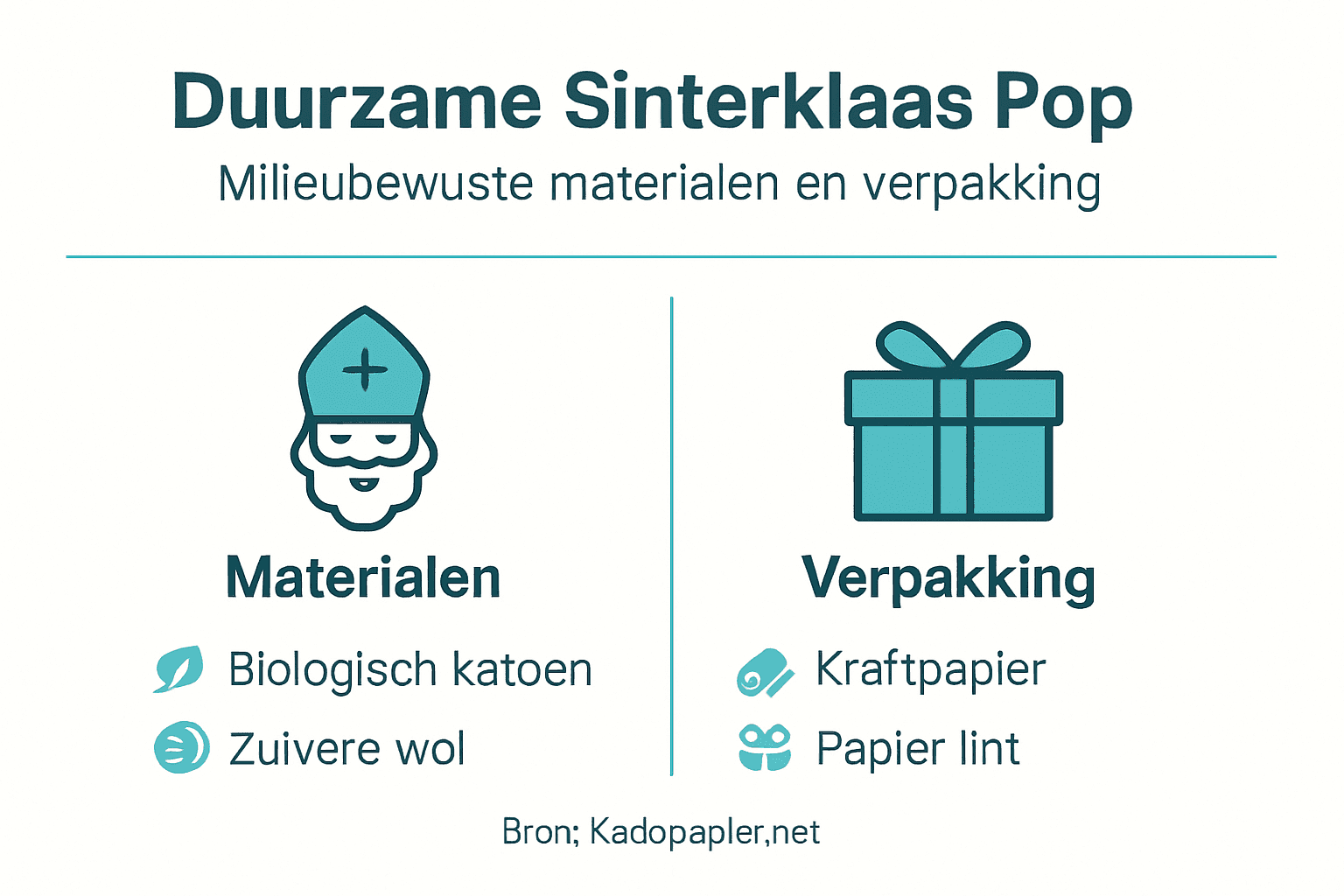
Use recyclable tissue paper, kraft paper, and organic ribbons. Avoid plastic film and plastic packaging. This reinforces the sustainable message and makes your store more attractive to conscious consumers.
Market position and sales
Retailers offering sustainable Sinterklaas figures and packaging are positioning themselves as responsible partners. This attracts a growing segment of customers willing to spend more for quality and ethical values.
The message is clear: sustainability is no longer a trend – it's an expectation.
Sinterklaas dolls made from natural materials with sustainable packaging are not only better for the environment, they also feel valuable to customers.
Business strategy: Actively communicate the sustainability of your Sinterklaas figures and packaging materials – many customers consciously seek this information and appreciate transparency.
Common mistakes and smart packaging tips
Wrapping Sinterklaas figures seems simple, but many retailers and crafters make the same mistakes. These cost time, money, and customer satisfaction. Here's how to avoid them.
Common mistakes
The first mistake: using too much packaging material. This makes the packaging bulky, expensive, and less sustainable. A Sinterklaas figure requires delicate finishing, not excess layers.
Other common mistakes include:
- Not enough support in the box – the doll shifts
- Ribbon that is not properly secured and comes loose during transport
- Wrong type of paper that tears when folding
- No protection for fragile details and face
- Sloppy presentation that reduces value
- Plastic film where sustainability is expected
Smart packaging techniques
Start with the right foundation. Use soft tissue or wrapping paper as a protective layer. This prevents scratches on the doll. Gift wrapping pitfalls will help you avoid many common problems.
Next, use minimal wrapping strategically. Place the doll in the center of your paper. Fold neatly and use one ribbon instead of several. Less is more.
Presentation and protection
The doll deserves respect in its packaging. Make sure it can't move around. Use soft materials for filling – no hard plastic chips. This protects both the doll and the box.
Bold statement: A well-packaged Sinterklaas figure immediately feels valuable. This justifies higher prices and attracts premium customers.
Add decorative elements that reinforce the Sinterklaas theme. Subtle streamers, small decorative elements, and handwritten cards make all the difference.
A poorly packaged doll looks cheap, no matter how premium the product. Presentation is everything.
Packing tip: Practice with small batches to perfect your technique – the faster you get, the more efficient you'll become without sacrificing quality.
Get the most out of your Sinterklaas doll with the right gift wrapping
A Sinterklaas figure deserves packaging that feels as unique and meaningful as the celebration itself. Many stores and consumers struggle to find sustainable, stylish, and practical packaging materials that enhance the character's atmosphere and quality. The right wrapping paper, ribbon, and gift bags make the difference between a mere gift and an unforgettable experience.
At Kadopapier.net, you'll find everything you need to present your Sinterklaas figure professionally and festively. Discover our collection of high-quality wrapping materials with natural and sustainable options that perfectly match current trends. Don't wait until the last minute; create an attractive in-store presentation and gift wrapping right away to inspire customers and build loyalty.
Start creating your festive collection today and visit Kadopapier.net for a wide selection tailored to the Sinterklaas season.
Frequently Asked Questions
What is a Sinterklaas doll?
A Sinterklaas doll is a decorative figure that represents Saint Nicholas and is often used as a decoration during the Sinterklaas season in the Netherlands.
What materials are used for Sinterklaas dolls?
Sinterklaas dolls are made from various materials such as cotton, wool, polymer clay, plastic, resin and ceramic, with each material having unique properties and advantages.
How can I best display Sinterklaas dolls in my shop?
Place Sinterklaas figures at eye level in the display window and combine them with colorful wrapping materials, themed backgrounds, and other decorations to enhance the festive atmosphere and attract customers.
What are sustainable options for Sinterklaas dolls?
Sustainable Sinterklaas dolls are often made from organic cotton, pure wool, and natural dyes, making them longer lasting and more environmentally friendly than plastic options.